
Subterranean vs. Drywood Termites: Which Species Threatens Northern Utah Homes?
Understand the key differences between subterranean and drywood termites, learn which species poses the biggest threat to Taylorsville and Northern Utah homes, and discover how to spot early warning signs.
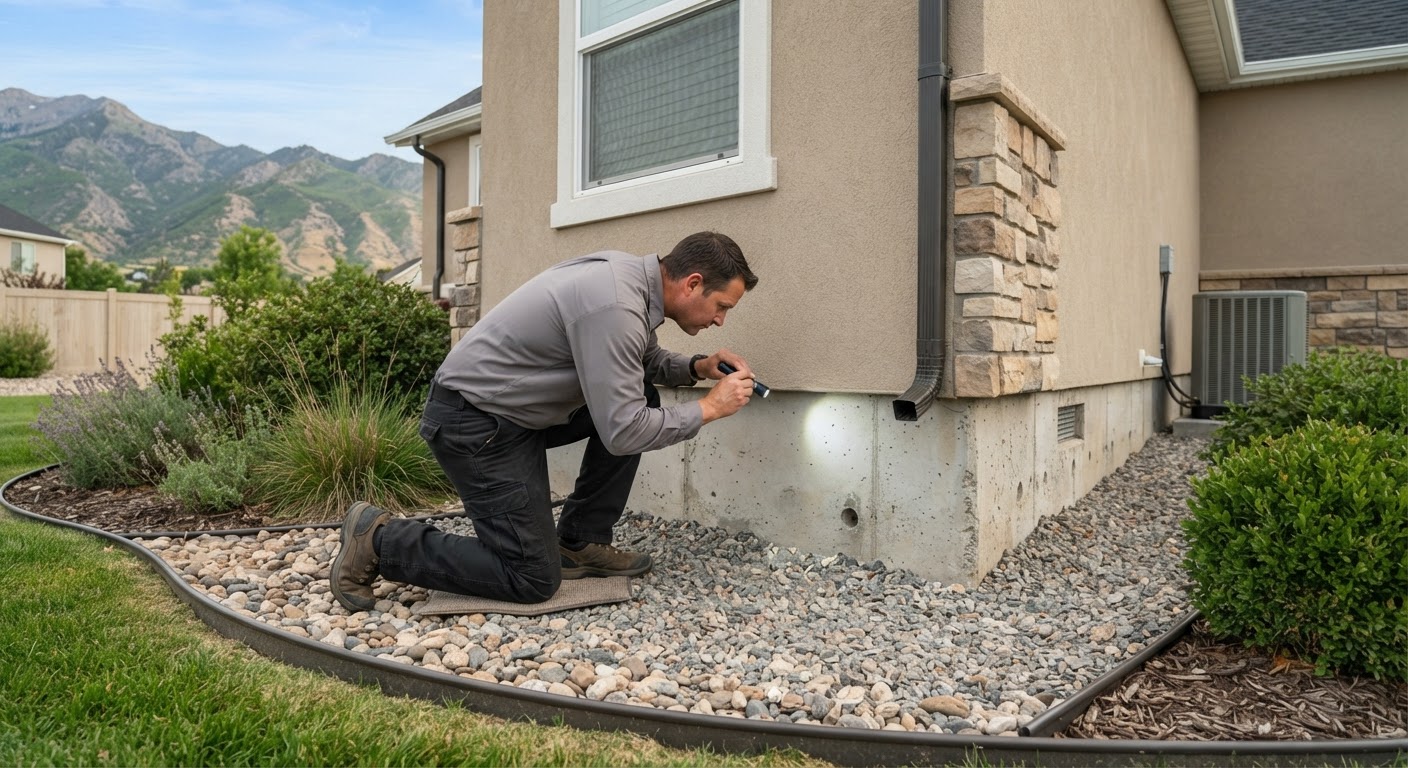
Many homeowners in Taylorsville and across the Salt Lake Valley assume that Northern Utah's dry air and freezing winters keep termites away. While our semi-arid climate does limit certain wood-destroying insects, termites are still a real concern for local properties. Knowing which species thrive in our region—and how they behave—helps you protect your home's structure before hidden damage spreads.
Across the United States, structural termite damage is driven primarily by two groups: subterranean termites and drywood termites. Although both feed on cellulose found in wood, their biology, nesting habits, and threat levels in Northern Utah are very different.
The Primary Threat in Northern Utah: Subterranean Termites
For homeowners in Taylorsville and surrounding Northern Utah communities, subterranean termites are by far the primary structural threat. Native species such as the western subterranean termite have adapted well to our climate. Even though Utah experiences cold winters and dry summers, these insects survive by living deep underground below the frost line, where soil temperatures remain stable year-round.
Subterranean termites require consistent moisture to survive. Rather than living inside dry framing lumber, their colonies stay rooted in the soil and travel upward into homes in search of food. Residential landscaping actually makes Northern Utah neighborhoods more welcoming to these pests. Lawn irrigation, drip lines, garden beds near foundations, and poor yard drainage all create damp soil pockets right next to basement walls and crawl spaces.
Because subterranean colonies can support large populations working out of sight beneath your yard, they can feed on floor joists, sill plates, subflooring, and wall studs for months or even years before a homeowner notices visible wood damage.
Are Drywood Termites a Concern in Taylorsville?
Drywood termites behave very differently from their subterranean cousins, and they are much less common in Northern Utah. Unlike subterranean species, drywood termites do not need contact with the soil or an external water source. They extract all the moisture they need directly from the wood they consume and from ambient humidity in the air.
Because they live entirely inside above-ground wood, drywood termites thrive in warm, humid coastal and southern regions where freezing temperatures rarely occur. Northern Utah's harsh winters generally prevent drywood termites from establishing widespread outdoor populations here.
However, that does not mean Taylorsville homeowners never encounter them. Drywood termites can hitchhike into the area inside infested wooden furniture, picture frames, antiques, shipping crates, or reclaimed lumber brought in from warmer states. Once inside a climate-controlled home, a small colony can survive indoors and slowly damage the piece it arrived in, or potentially spread to nearby wood trim and framing.
Key Differences: Subterranean vs. Drywood Termites
Knowing how to tell these two termite types apart helps you understand what kind of risk your property faces and what a pest professional will look for during an inspection.
Nesting Habits and Moisture Needs
Subterranean termites build their nests in the soil and must return to damp earth regularly to keep from drying out. To travel safely from the ground to the wooden framing of a house, they construct protective shelter tubes out of soil, wood particles, and saliva. Drywood termites, on the other hand, nest directly inside sound, dry wood such as attic rafters, window frames, door jambs, or hardwood furniture, with zero connection to the ground.
Mud Tubes vs. Frass
One of the clearest ways to distinguish the two species is by the debris they leave behind. Subterranean termites leave behind mud tubes—pencil-sized earthen tunnels running along concrete foundation walls, basement piers, or plumbing pipes. Drywood termites do not build mud tubes. Instead, they push tiny, six-sided fecal pellets called frass out of small kick-out holes in the wood. These pellets often collect in small piles beneath infested baseboards, windowsills, or furniture, looking somewhat like coarse sawdust or coffee grounds.
Wood Damage Patterns
When subterranean termites feed on structural lumber, they typically eat along the wood grain, consuming the softer springwood while leaving the harder summerwood layers behind. The damaged wood often looks layered or honeycombed and may contain traces of dried mud inside the galleries. Drywood termites cut smoothly across the wood grain, carving out clean, wide chambers that contain no soil and are free of debris aside from occasional trapped pellets.
Signs of Termite Activity Around Your Property
Termites are quiet, cryptic insects that avoid open air and bright light, which makes early detection challenging. Homeowners in Taylorsville should watch for these common warning signs during routine home maintenance:
- Earthen mud tubes climbing exterior foundation concrete, basement walls, or crawl space supports.
- Swarms of winged termites emerging indoors near windows, doors, or light fixtures during spring or warm, rainy periods, along with discarded wings left on sills.
- Wood trim, baseboards, or door frames that sound hollow when tapped or feel soft under gentle pressure.
- Paint that appears to bubble, blister, or peel along wooden surfaces without an obvious plumbing leak nearby.
- Stiff or hard-to-open wooden doors and windows caused by moisture and structural warping inside the frame.
- Small mounds of uniform, sand-like pellets appearing repeatedly beneath wooden furniture or trim.
It is also easy to confuse winged termite swarmers with flying ants, which are common across Northern Utah as well. Termites have straight antennae, thick waists, and four wings of equal length, whereas ants have elbowed antennae, pinched waists, and front wings that are noticeably longer than their back wings. Confirming which insect you are seeing ensures you get the right treatment rather than wasting effort on the wrong product.
Preventive Steps for Northern Utah Homeowners
While professional termite control is essential when a colony is already active, smart property maintenance goes a long way toward making your Taylorsville home less inviting to subterranean and drywood pests alike. Focusing on moisture control and eliminating direct wood-to-soil contact removes the main pathways termites use to enter a structure.
- Adjust lawn sprinklers so water sprays away from your home's siding and foundation concrete.
- Keep gutters and downspouts clean, and extend downspouts so rainwater drains several feet away from basement walls.
- Maintain a clear gap between soil or mulch beds and exterior wood siding, stucco weep screeds, or deck posts.
- Store firewood, scrap lumber, and cardboard boxes off the ground and away from the perimeter of the house.
- Seal cracks in foundation concrete and around utility penetrations where subterranean workers could slip indoors unseen.
- Inspect secondhand wooden furniture, antiques, and shipped crates carefully for tiny exit holes or powdery pellets before bringing them inside.
Protect Your Home With Professional Termite Management
Over-the-counter sprays rarely solve a termite infestation. Surface treatments only affect the few insects they touch directly, leaving the main subterranean colony safely hidden underground to continue feeding along another route. Effective termite control requires identifying the exact species present, locating moisture and entry points, and using targeted solutions designed to reach the colony at its source.
If you have spotted mud tubes, discarded wings, or suspicious wood damage around your Taylorsville property, Velqora Termite Management is ready to help. Contact Velqora Termite Management today to schedule a thorough termite inspection and put a tailored protection plan in place for your Northern Utah home.
Need help from Velqora Termite Management?
Contact our team to discuss your service needs in Taylorsville and surrounding service areas.